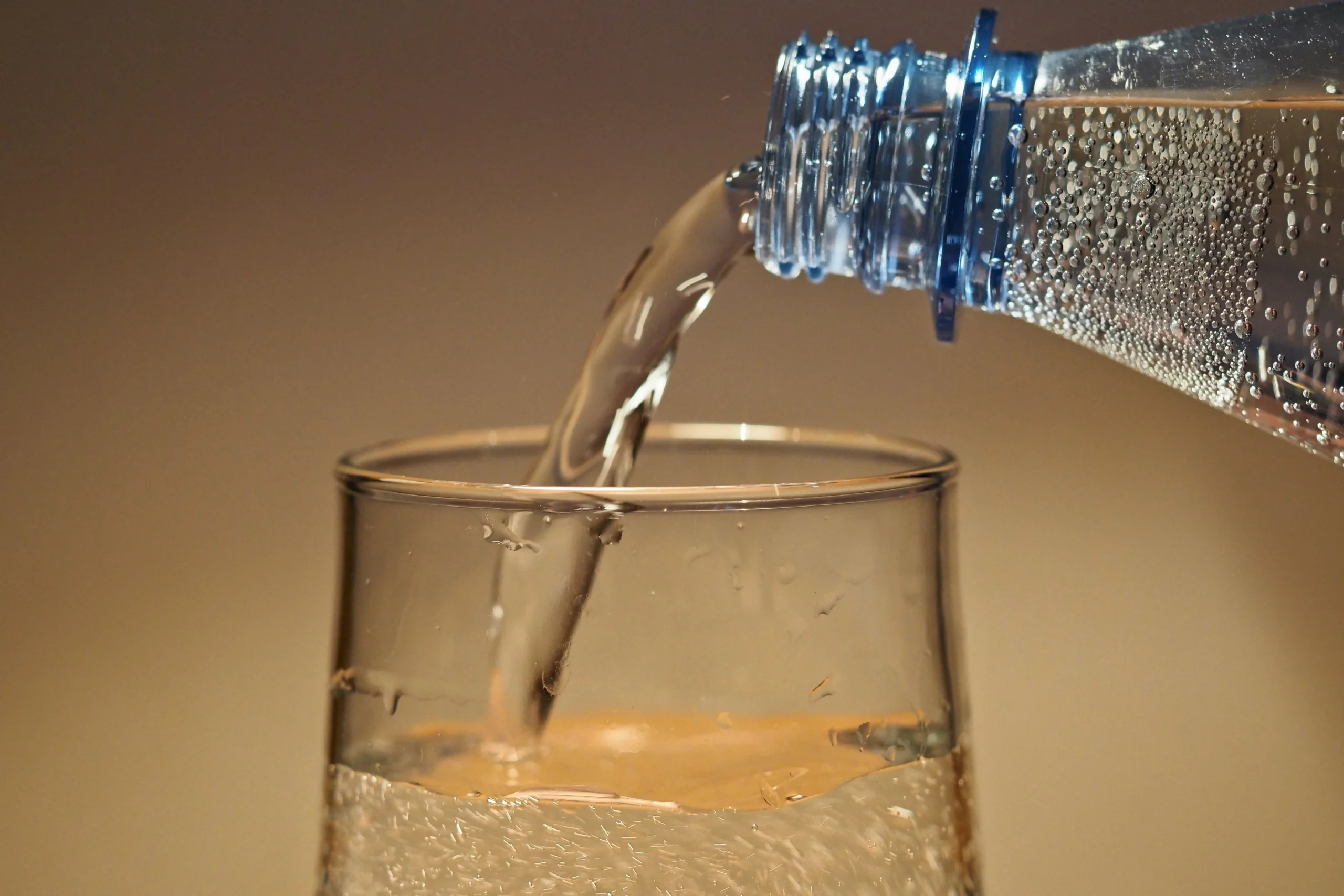
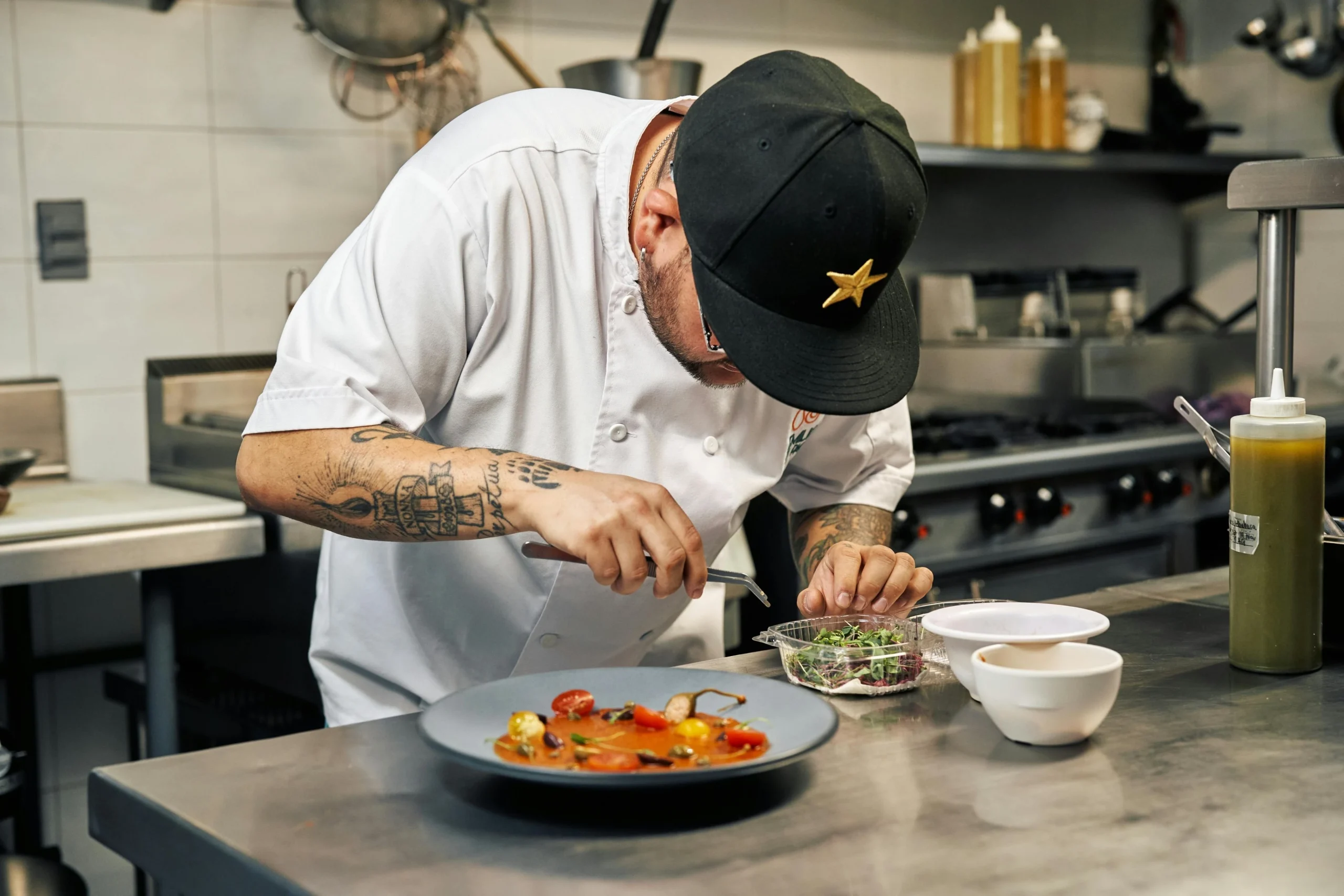
Every serious cook knows that the quality of an ingredient defines the outcome of everything it touches. You source the best produce, the finest proteins, the most carefully crafted oils. Yet the one ingredient present in nearly every recipe, every rinse, every reduction, is rarely given a second thought.
Water is not neutral. It carries minerals, compounds, and characteristics that directly influence how food tastes, how ingredients transform, and how flavors develop during cooking. Hard water affects the texture of pasta and bread dough. Chlorine alters the flavor of broths and sauces. The mineral content of water changes how coffee and tea extract. These are not small differences. They are the kind of differences that separate a good dish from a great one.
In fine dining kitchens, water is treated as an ingredient. It is considered, tested, and selected with the same care given to anything else on the menu. Yet in most homes, it flows from the tap without a second thought.
The good news is that approaching water with intention does not require a complete overhaul of how you cook. It begins with awareness. Understanding what is in your water, how it behaves under heat, and how it interacts with the ingredients you care about is the first step toward using it as the tool it actually is.
When water is treated as an ingredient rather than an assumption, the results speak for themselves. Cleaner flavors, more consistent outcomes, and a deeper understanding of why certain dishes work the way they do.
The kitchen is a place of precision. Water deserves to be part of that precision. Once you start seeing it that way, it is difficult to go back to treating it as an afterthought.